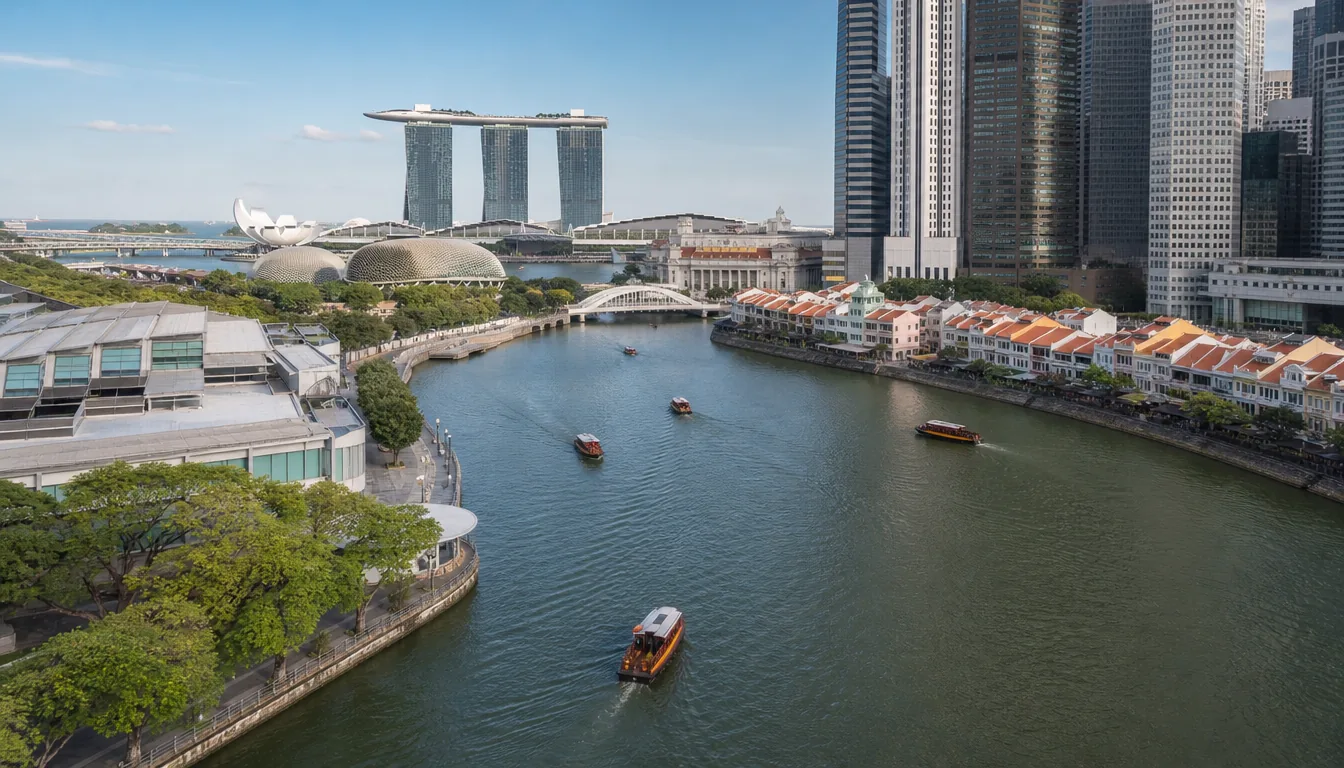
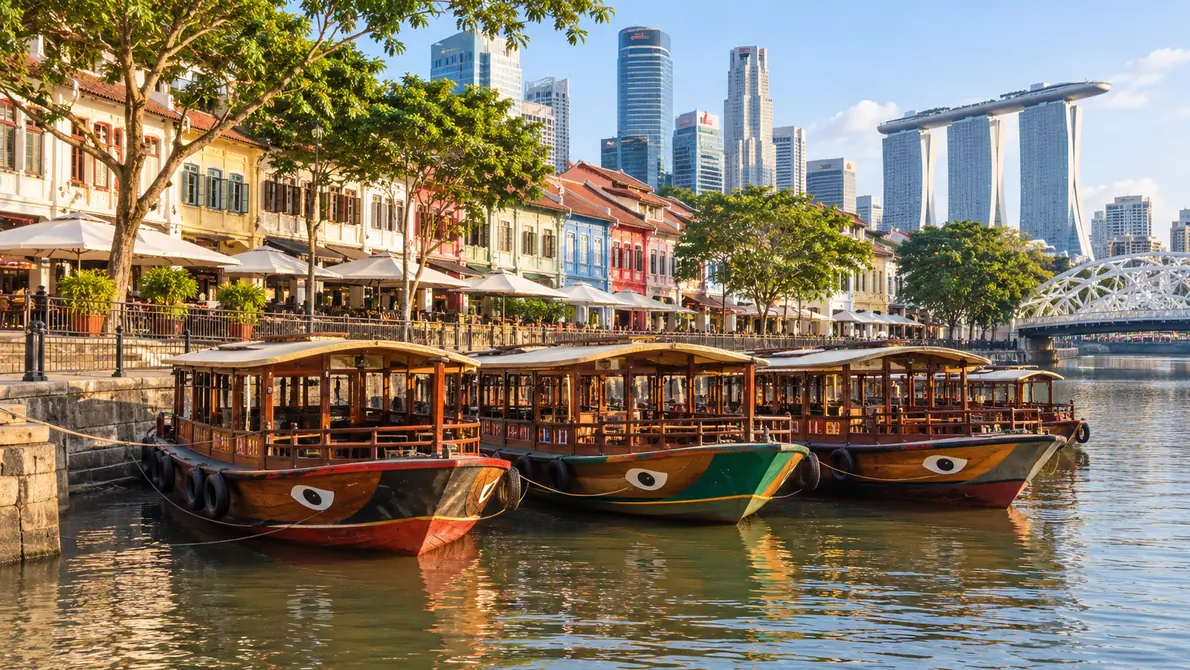
Booking choice: The Clarke Quay cruise and light shows tour, from $27.30 per person. Check dates Tour details
For more than a century the Singapore River was a working harbor. Small boats carried goods from the ships anchored offshore to the warehouses along the banks. Those were the bumboats.
Today the same shape of boat, with the same painted eyes, carries visitors instead of sacks of rice. This guide covers the old trade, the words people use for the boats, the clean-up that emptied the river, and what a ride on one is like in 2026. The history comes from the National Library Board's Infopedia, the National Heritage Board's Roots, PUB and Singapore River Cruise.
The quick answer
A bumboat is a wooden lighter, the boat that once ferried cargo between ships and the godowns on the Singapore River. In Singapore they are also called tongkangs or twakows. The clean-up of 1977 to 1987 moved the cargo boats to Pasir Panjang, and since 1987 converted bumboats have carried sightseeing passengers, on electric engines since 2008.
What is a bumboat in Singapore?
A wooden boat that once carried cargo on the Singapore River and today carries sightseeing passengers. The National Library Board describes bumboats as lighters, the boats that ferried goods for import and re-export.
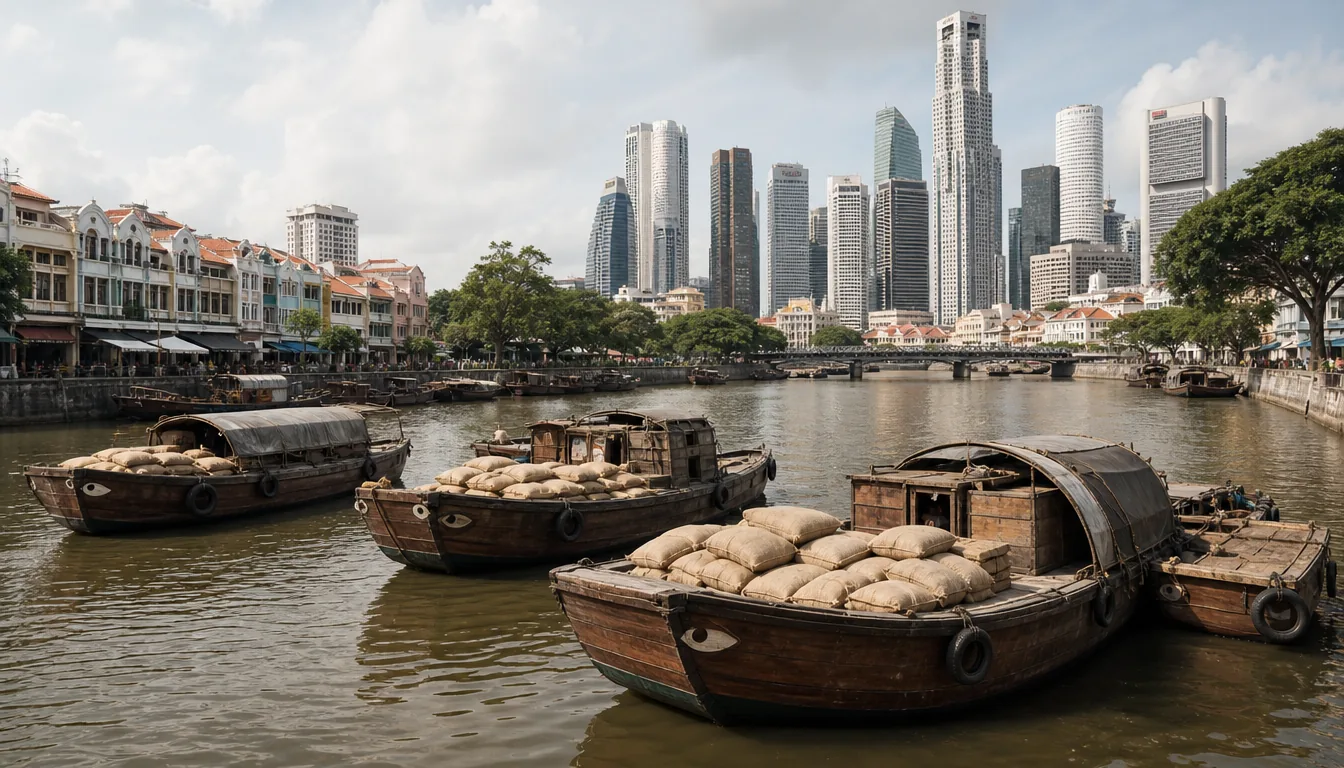
Large ships stayed out in the harbor, and the lighters did the carrying: out to the ship, cargo over the side, back up the river to the godowns. Infopedia calls them "the much larger bumboats or lighters", and notes that converted bumboats now carry sightseeing passengers.
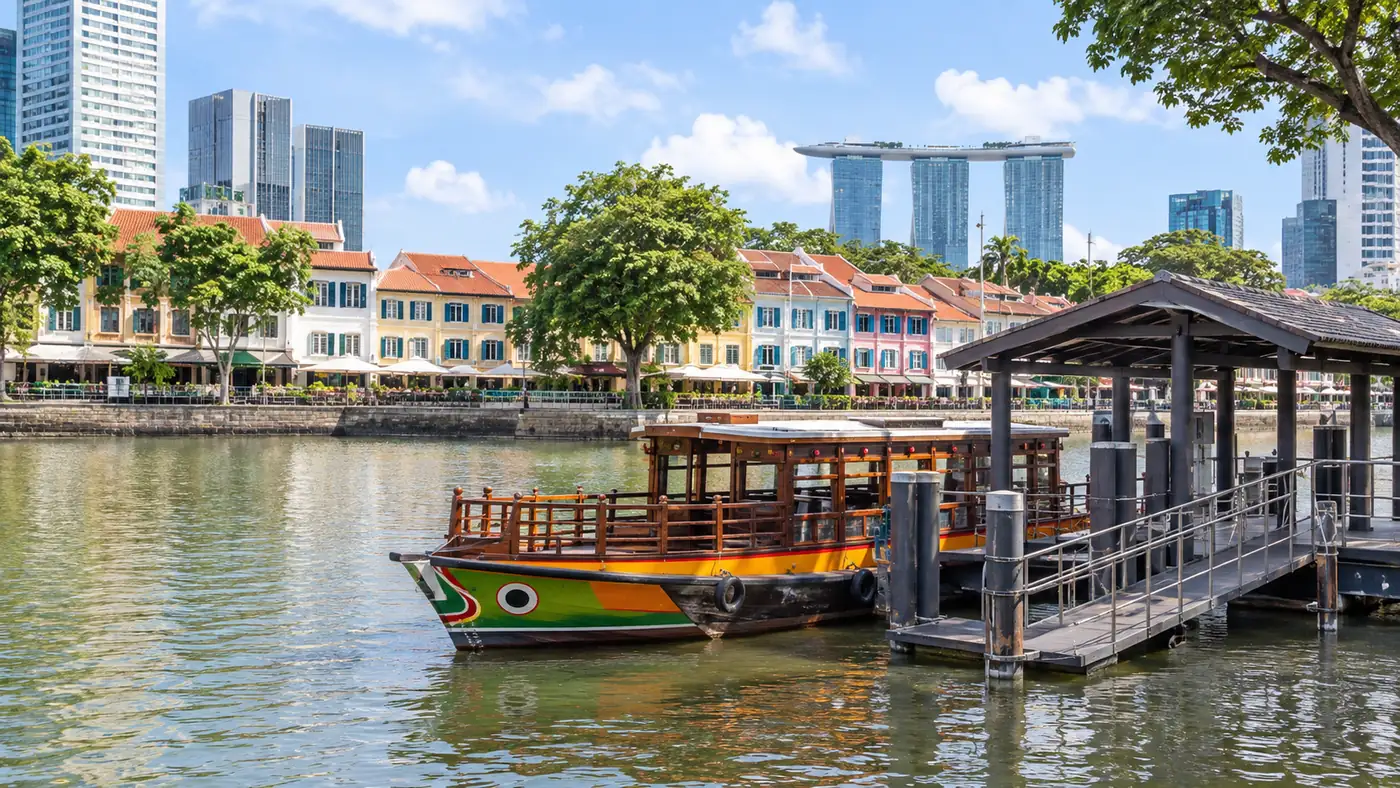
Singapore River Cruise sums up the change in its own words: from the sail-powered bumboats of the founding days to the silent, electric versions of today. The boats you board now are wide and low, with an open cabin, a canopy and benches along the sides.
Where does the word "bumboat" come from?
From older seafaring English. The National Library Board says the name came from the English for a "scavenger's boat" or "dirt-boat"; other references trace it to the Dutch boomschuit.
Elsewhere in the world a bumboat is a small boat that ferries supplies to ships moored offshore, which is close to what Singapore's boats first did. Wikipedia adds that in Singapore the word is now used for small water taxis and boats that take tourists on short tours. That is how most visitors meet the word today: on a ticket counter at Clarke Quay.
What are tongkangs and twakows?
The local names for the same cargo lighters. Infopedia glosses tongkang as the Malay word for a bumboat or lighter, and twakow as the Teochew and Hokkien word for broad-beamed goods lighters.
Singapore River Cruise remembers Clarke Quay in the early 1980s as a noisy scene of "tongkangs" (bumboats) and "twakows" (lighters) jostling bow and stern for a place to dock and unload their cargoes. The sources use the words loosely and overlap, so treat them as family names for one working fleet rather than strict boat types.
A former Marine Police officer, in a National Heritage Board story, recalled the river in 1962 and 1963 as busy with tongkangs, sampans, lighters and bumboats. The lighters were the heavy haulers among them.
What did bumboats do on the Singapore River?
They moved the trade. In the 1860s, Singapore River Cruise says, three quarters of all shipping business was done at Boat Quay, and the lighters carried it between the ships and the warehouses.
The story starts near Boat Quay, where Sir Stamford Raffles is believed to have landed in January 1819. The first quay was built there in 1823. By the late 19th century, the site of today's Clarke Quay was a center of commerce, lined with godowns.
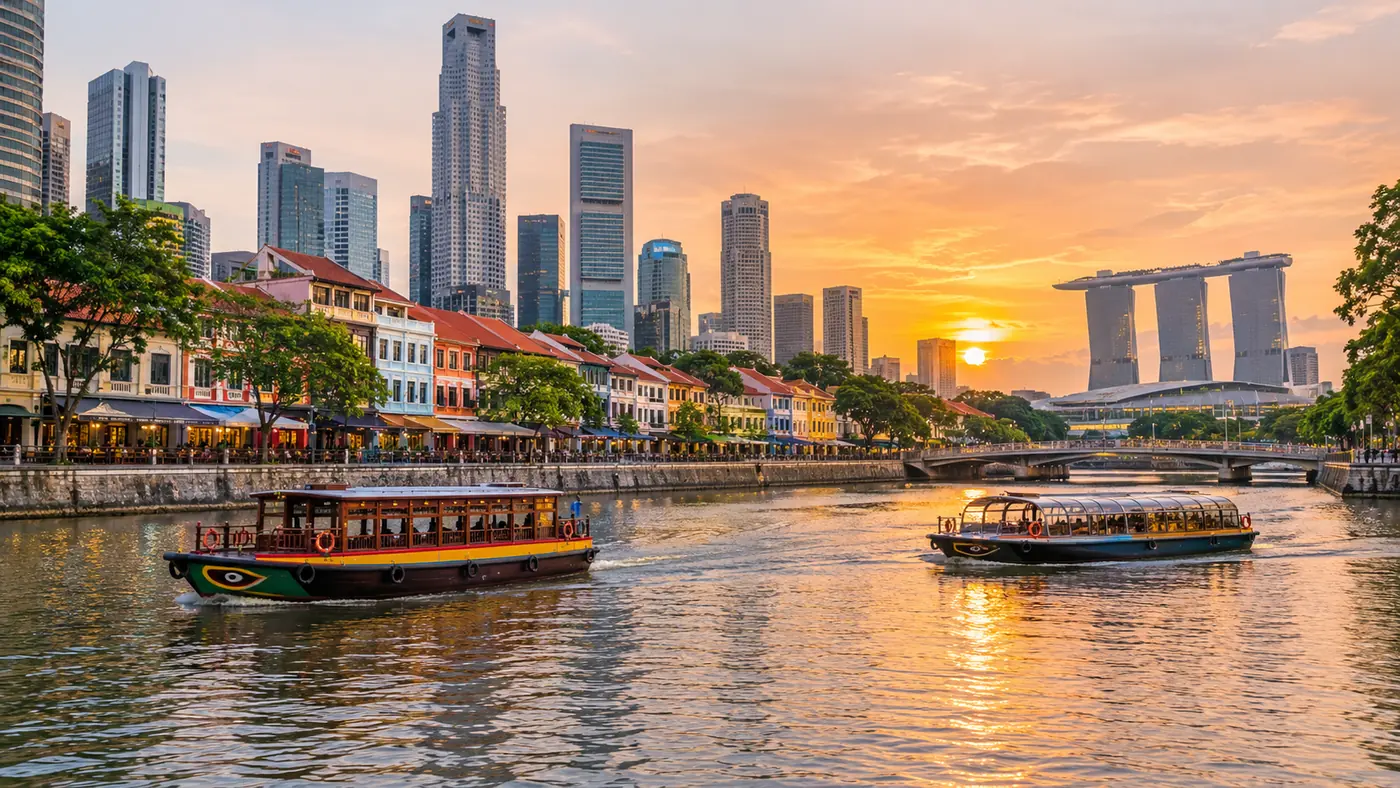
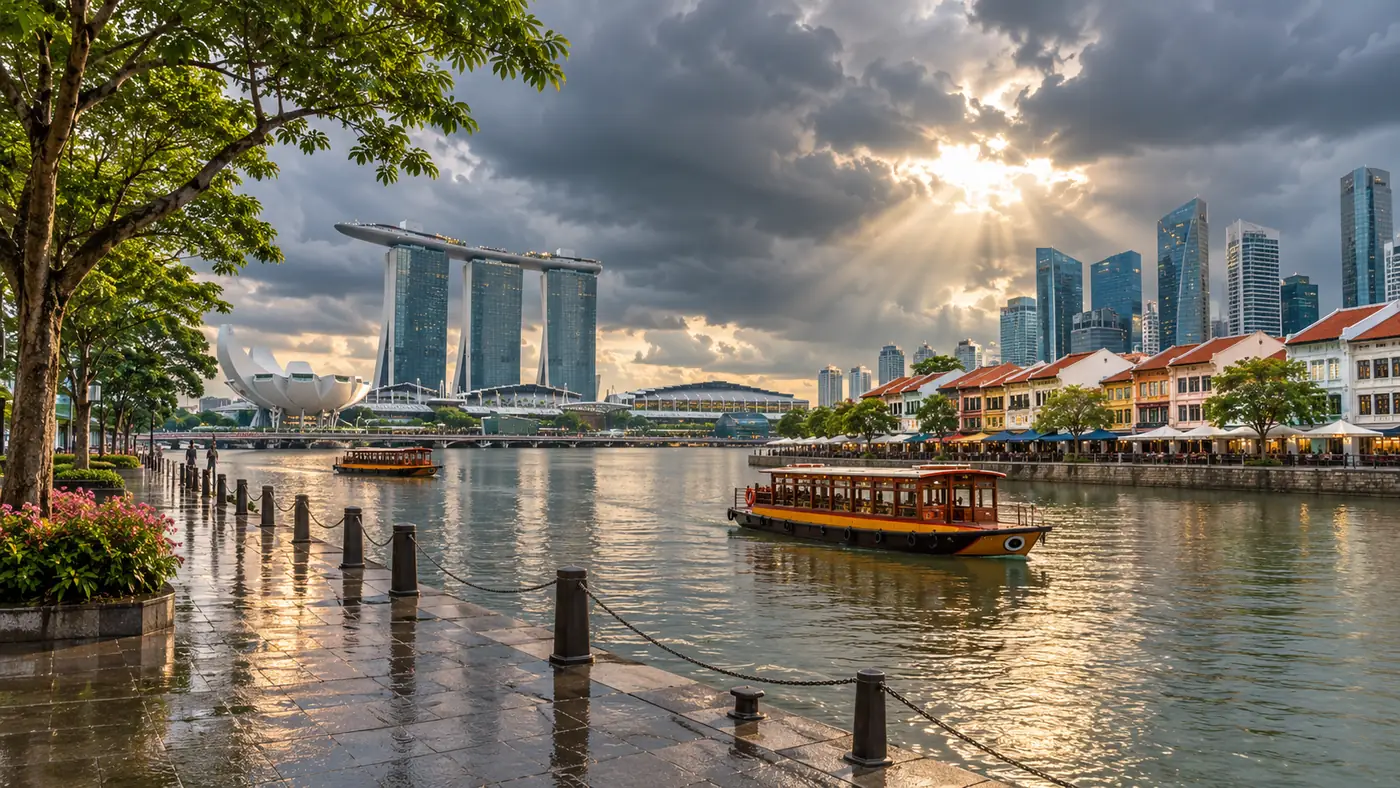
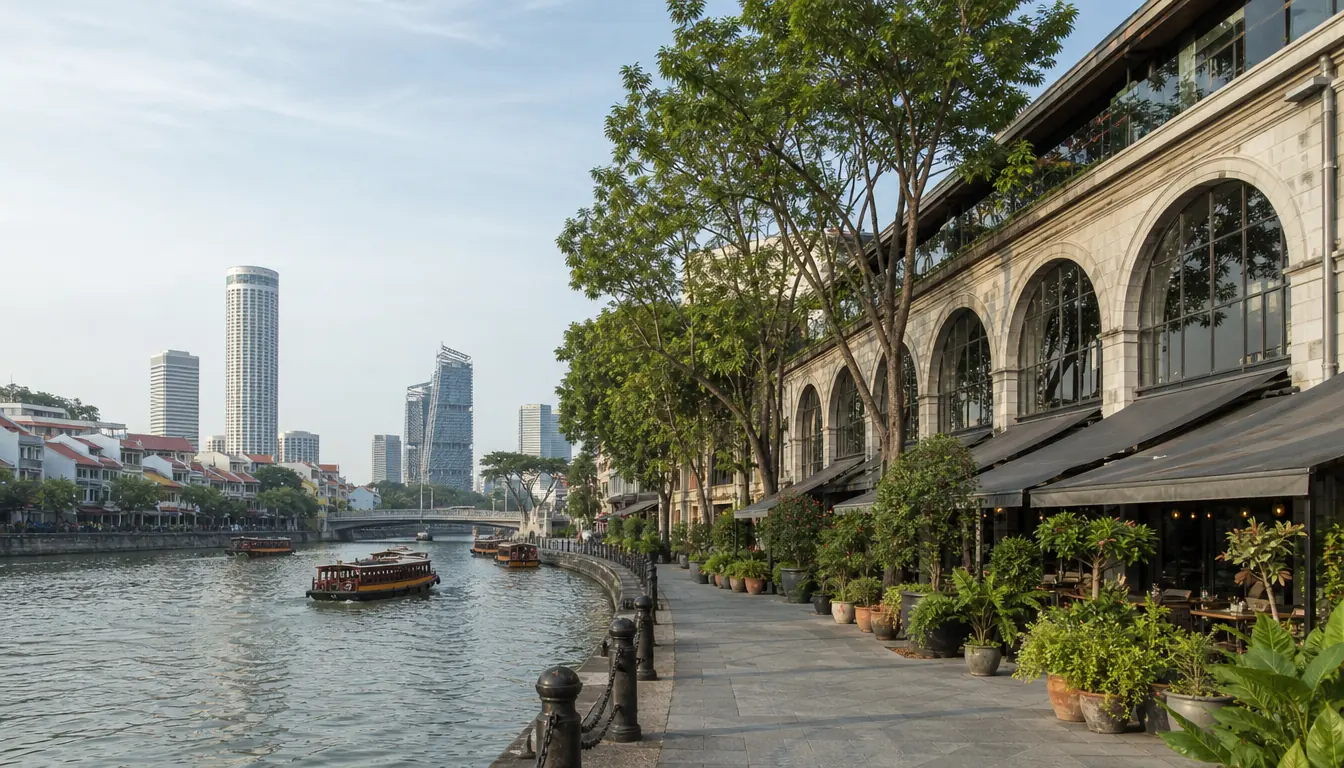
The work was physical. Coolies and swaylos, the water-hands, carried sacks of rice from the boats over springy gangplanks. The river is only about 3.2 km long, and it held three quays: Boat Quay, Clarke Quay and Robertson Quay. You still see all three from a bumboat, with restaurants where the warehouses were.
Ride the same stretch the lighters worked, from Clarke Quay at dusk, then stay for both light shows.
Check dates for the Clarke Quay cruise and light shows tourWhy did the bumboats leave the river?
Because of the clean-up. From 1977 to 1987 government agencies worked together to clean the Singapore River, and by 1983 the cargo lighters had moved to Pasir Panjang.
The National Heritage Board's account is precise. Lee Kuan Yew set a 10-year target at the opening of Upper Peirce Reservoir on 27 February 1977. Lighter operators were moved to upgraded facilities at Pasir Panjang. The clean-up was declared complete on 2 September 1987, with a five-day Clean Rivers Commemoration carnival at Marina Bay. Singapore River Cruise dates the move of the bumboats to the 1983 Clean Rivers Campaign.
The river that came out of it was a different place. PUB notes that the Marina Barrage later created Singapore's 15th reservoir, the first in the city center, and the river now feeds it. The godowns turned into restaurants and bars.
How did bumboats become tourist boats?
Singapore River Cruise won the tender to run river services after the cargo boats left, and started in 1987 with four bumboats. It switched to electric engines in 2008 and runs 24 boats today.
The company says it was the first to run passenger services along the river. The 2008 change matters if you remember older trips: the diesel engines gave way to electric ones with quieter running and zero CO2 emissions. Here is the whole story in one table:
| Year | What happened | Source |
|---|---|---|
| 1819 | Raffles is believed to have landed near Boat Quay (January) | Singapore River Cruise |
| 1823 | The first quay is built at Boat Quay | Infopedia |
| 1860s | Three quarters of all shipping business is done at Boat Quay | Singapore River Cruise |
| 1869 and 1910 | Cavenagh Bridge, then Anderson Bridge, are built | Singapore River Cruise |
| 1977 | The 10-year river clean-up begins (27 February target speech) | PUB, Roots |
| 1983 | The cargo lighters have left the river for Pasir Panjang | Singapore River Cruise, Infopedia |
| 1987 | Clean-up declared complete (2 September); river cruises start with 4 bumboats | Roots, Singapore River Cruise |
| 2008 | Singapore River Cruise moves from diesel to electric engines | Singapore River Cruise |
| 2026 | 24 boats, boarding at four jetties | Singapore River Cruise |
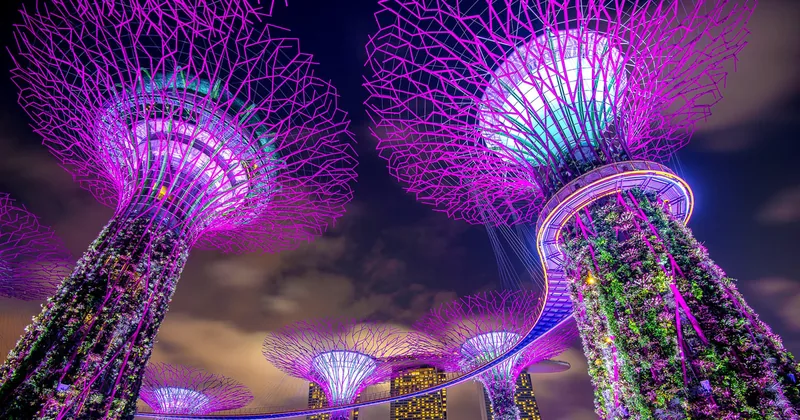
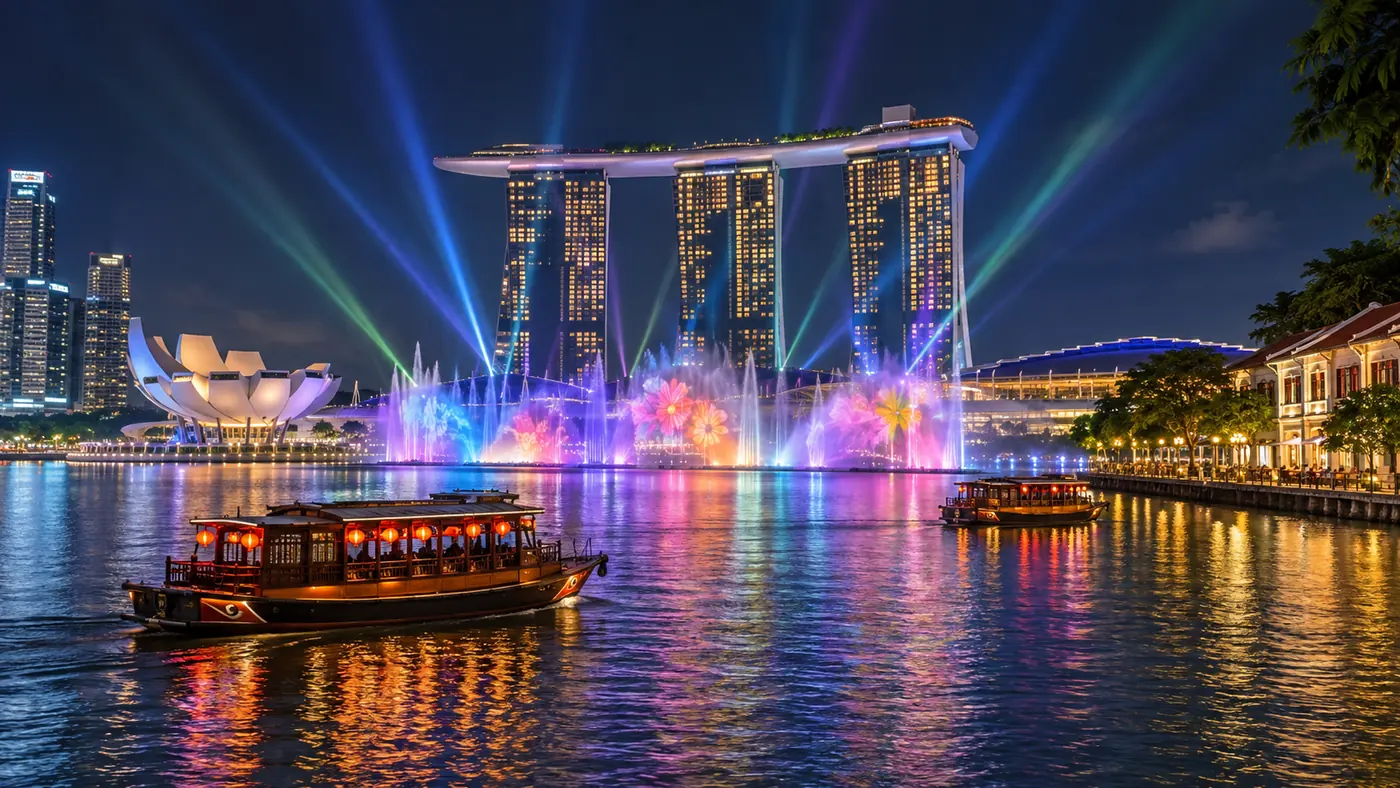
Board a heritage bumboat at Clarke Quay at 5.45pm, then see Garden Rhapsody and Spectra with a live guide.
Explore the Clarke Quay cruise and light shows tour Tour detailsWhy do bumboats have eyes painted on them?
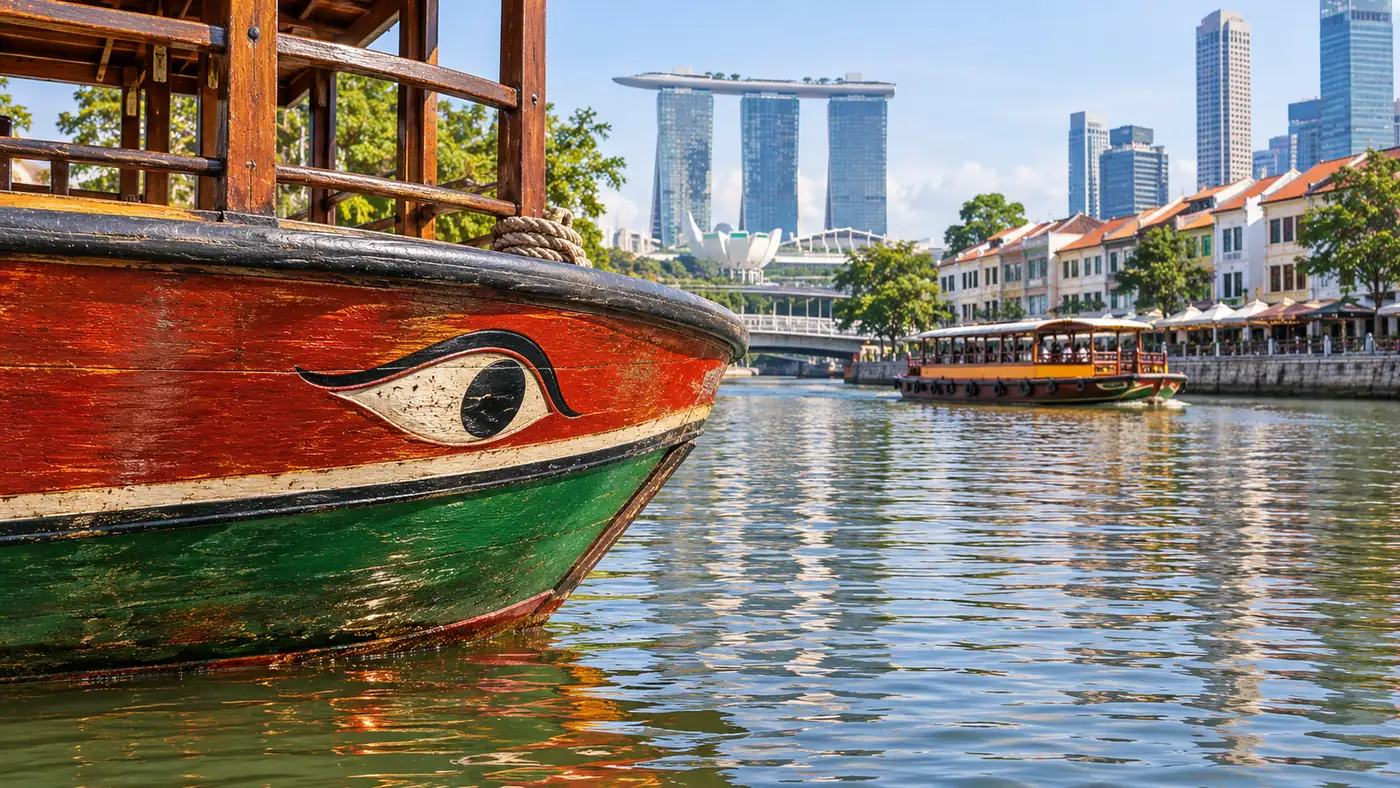
Tradition and good sense at sea: the National Library Board says the painted eyes let the boats see danger ahead.
Infopedia describes the old lighters as boats with "painted eyes" and familiar faces, vital to the movement of commercial activity. The tourist boats kept them when they changed jobs.
Look for them as your boat comes in to the jetty. From the bench inside, you will not see your own boat's eyes, but every bumboat passing the other way stares straight back at you.
Can you still ride a bumboat today?
Yes, every day. Singapore River Cruise sails its electric bumboats on a 40-minute trip from S$28 for adults, and several evening tours include a ride.
The plain ride is the Singapore River Cruise ticket, from $19.89 on GetYourGuide (non-refundable), or S$28 at the jetty counter. Water B runs a similar 40-minute trip on its own modern boats. For an evening with a guide, the Clarke Quay cruise and light shows tour uses a heritage bumboat and is rated 4.9 from 169 reviews.
Kirsten took it in Nov 2026 and singled out her guide's "tips and dedication to arranging the best views of the light shows for us". Our ticket guide has the prices and hours.
The bumboat ride itself: 40 minutes from the quays to the Merlion, day or night.
Check dates for the Singapore River Cruise ticketFrequently asked questions
Is a bumboat the same as a sampan?
No. Sampans were a different kind of boat on the old river. Bumboats were the lighters that carried cargo, and today's tourist bumboats are motorized, on electric engines at Singapore River Cruise since 2008.
Are Singapore bumboats electric?
Singapore River Cruise's are. It replaced its diesel engines with electric ones in 2008, and its charter boat is described as silent and zero-emission.
How many bumboats are there on the Singapore River?
Singapore River Cruise started with 4 bumboats in 1987 and runs 24 today. Water B runs its own boats.
Why are they called bumboats?
The National Library Board traces the name to the English for a "scavenger's boat" or "dirt-boat"; other references point to the Dutch boomschuit.
Ready to book
Choose your cruise
Free cancellation up to 24 hours before on every option. Prices are from-prices in USD and move with the season.
Clarke Quay Cruise, Gardens & Spectra Tour
A bumboat at dusk, both light shows and Lau Pa Sat
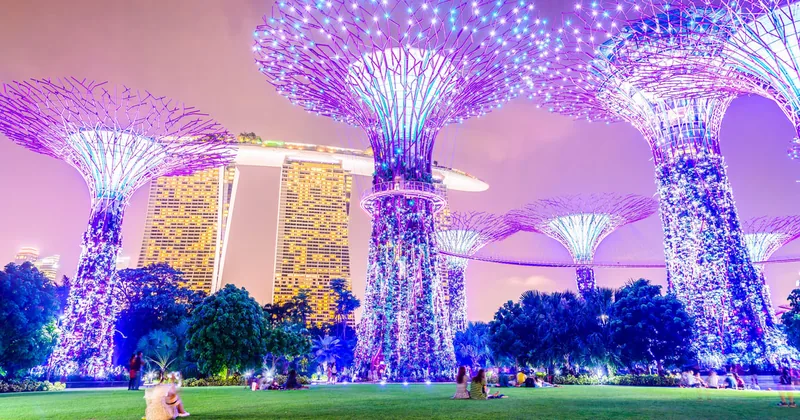
River Cruise, Garden Rhapsody & Spectra Night Tour
- Singapore River cruise
- Garden Rhapsody at Gardens by the Bay and Spectra at Marina Bay Sands
- Merlion Park and a local guide
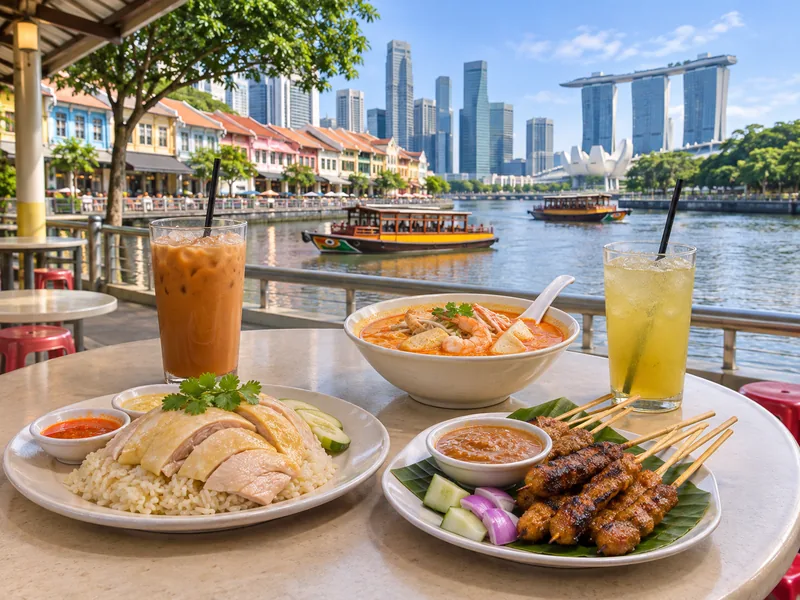
Chinatown Food Tour, River Cruise & Light Shows
10+ Chinatown tastings, the cruise and both shows